It is okay to feel worried. You are looking into IVF success after 35. Many reports focus on the problems that come with age. New science offers great help now. Your birth year is not the only factor that shapes your chances. We look at much more than just your age. We are here to shift the conversation from worry to solutions. This guide will break down the true chances of IVF success after 35 per cycle. It will also show you how modern, personalized protocols greatly improve your outcome.
The Reality of IVF Success Rates per Cycle for Women Above 35
It is crucial to face the facts when planning for IVF success after 35. Age is just one factor, but it does influence the likelihood of a successful pregnancy. Egg quality goes down as women get older. The number of eggs also drops over time. This happens because of advanced maternal age and fertility. This change greatly impacts your chances of success.
General statistics often show a dip in the IVF Success Rates per Cycle for women who are 35 and older. For example, national averages may show that women under 35 have over a 50% chance per cycle. The number decreases to around 20-30% for women in their early 40s. These numbers often cause immediate worry for hopeful parents. However, we urge you to look beyond the general, discouraging single-cycle data. The IVF success rates per cycle should never be mistaken for your personal odds.
We must look at cumulative success rates in the clinic. This is the chance of getting pregnant after a few tries. Most women need up to three cycles for the best success. We focus on what you can achieve over your full journey, not just the first try. Your own body plays a big role in IVF success after 35. Our plan is made for you. General numbers only give a quick guide and show why new care tools matter.
We move past the average data. We use advanced tests and simple plans. These steps help shift the numbers for you and raise your IVF Success Rates per Cycle.We believe in providing you with all the data to make an informed decision about the advanced care you need. You can view our overallIVF Success Rates in Women to understand the breadth of our results.
What Affects IVF Success After 35? The Factors We Control
We want you to focus on the factors you can actually control during your journey. Age is a number, but egg quality is a variable we actively manage. This approach answers the real question: What Affects IVF Success After 35?
We start with three core areas we can optimize for you. These three areas make the biggest difference in your chances of IVF success after 35 per cycle. They are egg quality, ovarian reserve, and uterine health.
We Optimize Egg Quality
Egg quality is the largest problem for women over 35. As age increases, the likelihood of chromosomal issues in eggs rises. To help address this, we rely on advanced laboratory methods to identify and select the healthiest eggs and embryos.
We Boost Ovarian Reserve
The count of eggs remaining in your ovaries is called ovarian reserve. We measure this with blood tests like the Anti-Müllerian Hormone (AMH) test. We then use this data to plan your best stimulation protocol.
We Prepare Uterine Receptivity
A well-prepared uterus is primed to accept an embryo. Before any transfer, we ensure your uterine lining is robust and in optimal condition. This step is crucial for a successful implantation, regardless of your age. Personalised fertility medications and protocols are the key to overcoming age-related obstacles. We do not use a one-size-fits-all approach for stimulation. We set your medicine dose with care. We time it to help you make more healthy eggs.
We constantly look toward the future to improve your chances of IVF success after 35 per cycle. We use new science to guide your treatment plan.
You can read more in New Technologies and Treatments in IVF in 2025. Our skill and tools help shape the answer to what affects IVF success after 35?
| Success Factor | Credence IVF Solution | Goal |
| Egg Quality | PGT-A Embryo Screening | Choose the best embryos. |
| Ovarian Reserve | Personalized Drug Protocols | Maximize quality egg retrieval. |
| Uterine Health | Endometrial Preparation | Ensure the best environment for implantation. |
We are your partner in this journey, giving you control over the scientific parts of the process. We use the latest fertility medications and protocols to give you the ultimate advantage.
PGT Screening: The Breakthrough Solution for IVF Success After 35
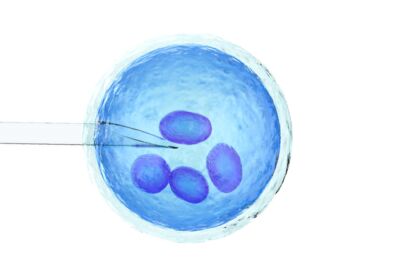
We use advanced technology to tackle the main challenge of IVF for Women Above 35. This technology is called Preimplantation Genetic Testing (PGT). PGT greatly improves your chances for IVF Success After 35.
The main reason IVF fails for older women is chromosome problems in the embryo. PGT screens these embryos to find the ones with the correct number of chromosomes. This allows us to select only the strongest, healthiest embryos for transfer.
Focusing on embryo quality, not just the number of eggs, is the key to achieving real IVF Success After 35. This process reduces the risk of miscarriage and increases the chance of a healthy birth. We strongly recommend PGT as a proactive step for IVF for Women Above 35.
When we use PGT, we typically freeze all the embryos after testing. We then follow a specific Frozen Embryo Transfer (FET) timeline. FET is often preferred because it gives your body time to recover from the egg retrieval process.
The FET timeline allows us to prepare your uterus perfectly for implantation. This careful preparation boosts the chance that the transferred embryo will implant successfully. The Frozen Embryo Transfer timeline gives us the control we need for the best outcome.
The PGT process is the ultimate tool for proactive planning. It gives you clear data and control over the most important factor: the quality of the embryo. This approach uses simple data to shape a plan for your IVF Success After 35.
PGT is closely related to another valuable option called embryo banking. Banking embryos is a safe and strategic way to plan for your future family. This is why we encourage you to learn more about Fertility Preservation : A hope for the future. We use these methods to provide the highest level of care for IVF for Women Above 35.
Beyond the Clinical: Emotional Resilience and IVF Success Stories After 35
The path to a good result with IVF for Women Above 35 takes a lot of emotional strength. We understand the high emotional stakes of every decision and every result you face. Our goal is to partner with you by offering both science and support.
This support matters most if you face setbacks in your chances of IVF success after 35 per cycle. It is normal to feel grief or frustration after a failed cycle or a long wait. You can find help and comfort in our article called Grieving IVF Failure: Help Yourself to Move on and be Hopeful.
We want to share real IVF success stories after 35 to show you what is possible. Hearing from other patients proves that older age does not close the door on your dream. These hopeful stories fuel your perseverance and transform anxiety into determined action.
We also talk about the risk of pregnancy complications After 35. We handle these possible issues in a responsible way. We are ready for them. However, advanced monitoring and proactive care greatly reduce these risks. This is part of our commitment to managing the full journey of IVF for women above 35.
By focusing on personalized care, we boost your chances of IVF success after 35 per cycle. Our full approach checks for genetic problems and watches your health closely. This vigilance builds true confidence.
The best strategy for IVF for women above 35 involves preparing your body and your mind for the path ahead. We provide the clinical certainty you need to feel in control of your journey. Let the many inspiring IVF success stories after 35 guide your hope.
Frequently Asked Questions (FAQ)
- How many IVF cycles are typically needed for women over 35 to achieve success?
It’s true that IVF success rates per cycle naturally decline as women get older. However, most patients reach success after 2–3 cycles in total. We focus on optimizing each of your cycles for the best possible result.
- What are the typical steps in the Frozen Embryo Transfer Timeline?
First, we perform PGT testing and freeze the healthy embryos. The Frozen Embryo Transfer timeline then starts by preparing your uterine lining with medication. The actual embryo transfer happens about 3–4 weeks later.
- How do you calculate the chances of IVF success after 35 per cycle?
We use advanced modeling to create your personal prognosis. We combine national success data with your own unique health markers, such as AMH levels. This process yields the most accurate, personalized prediction for your specific chances of IVF success after 35 per cycle.
- Is using donor eggs a common or necessary step for IVF for women above 35?
Most women start treatment using their own eggs first. Donor eggs offer a highly successful solution, especially for IVF for women above 35 who have very low ovarian reserve. Donor eggs remain a valuable and common option for many families.
Conclusion & Take the Next Confident Step
Your path to building a family should come from clear facts, not fear. We have shown that success comes from using strong methods and a plan made for you. These choices maximize your chances of IVF success after 35 per cycle.
We use all modern tools, from PGT screening to the best fertility medications and protocols. This focused approach transforms general statistics into your personal success story. You do not have to navigate this complex journey alone.
Ready to stop worrying and start planning your personal path to success? Contact the experts at Credence IVF today. Schedule your visit to talk about a treatment plan made to give you the best chance. Let us show you the real possibility of IVF success after 35 that truly awaits you.