

Credence IVF

Low AMH and IVF Can You Still Get Pregnant?

You’ve just had your fertility tests done, and the report says your AMH is low. For many women, that one line can feel like a door closing. Does it mean you can’t have a baby? Is IVF still an option?

Take a deep breath. A low AMH result is common, and it doesn’t mean pregnancy is impossible. In this blog, we’ll explain what AMH really means, how it affects your fertility, what low AMH and IVF look like together, and what other tests can give you a fuller picture.

What Is AMH?

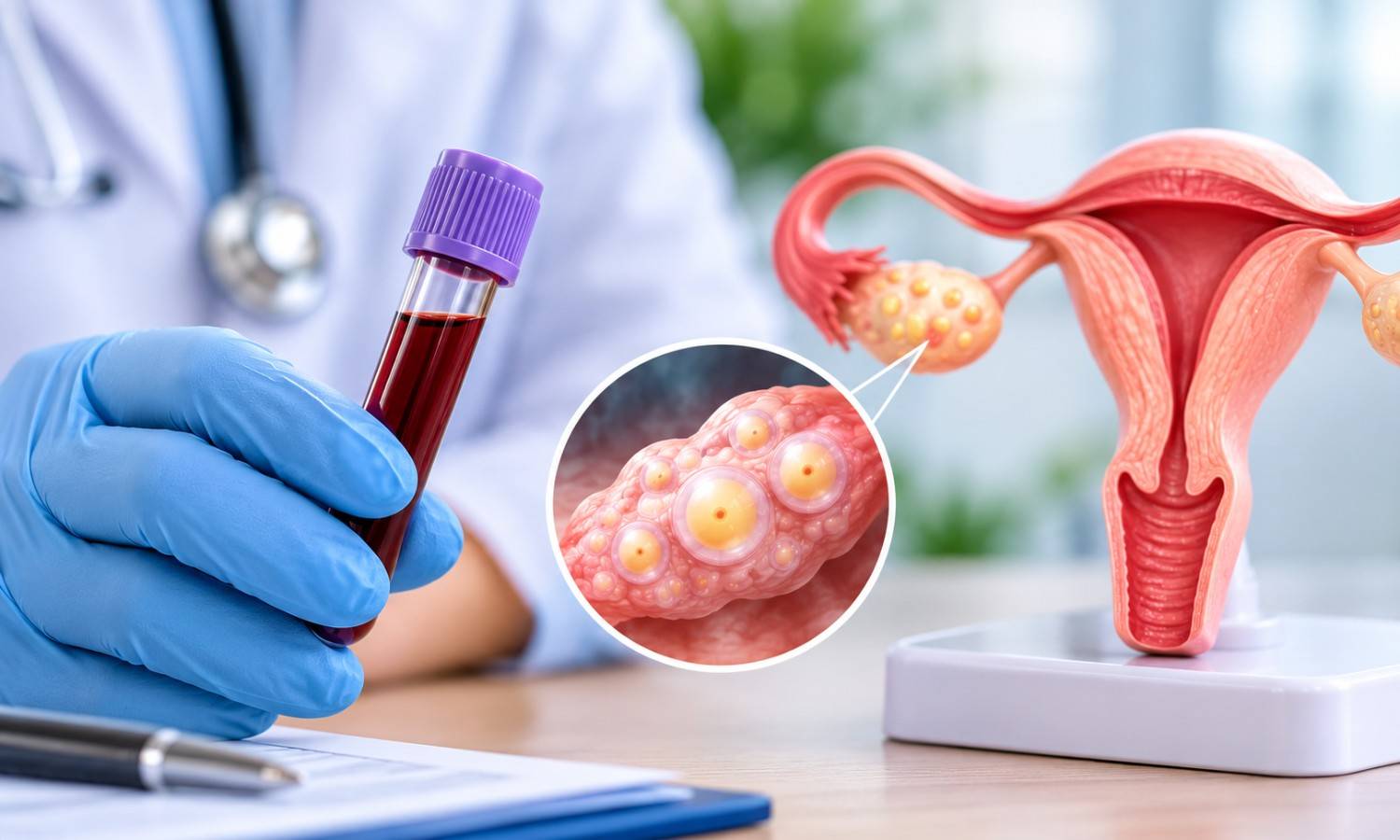
AMH stands for Anti-Müllerian Hormone. It’s a hormone made by the small, developing follicles in your ovaries. Each follicle holds an immature egg, so the amount of AMH in your blood gives doctors a rough idea of how many eggs you have left.

AMH is measured through a simple blood test. Unlike some other hormone tests, it stays fairly steady throughout your menstrual cycle, so it can usually be done on any day. That’s one reason it has become one of the most commonly used fertility tests today.

low AMH fertility treatment at Credence IVF

Understanding Ovarian Reserve

Every woman is born with all the eggs she’ll ever have. Over the years, this number naturally goes down. By the time a woman reaches her late thirties and forties, the supply becomes much smaller. This remaining supply of eggs is called your ovarian reserve.

AMH is one of the best tools to estimate ovarian reserve. A higher AMH usually means more eggs remain, while a lower AMH suggests fewer eggs are left. But it’s important to remember that AMH is an estimate, not an exact count. It also doesn’t tell you anything about the health of those eggs.

Low AMH Pregnancy: Is It Possible?

Yes, it is. Many women with low AMH get pregnant, some naturally and others with fertility treatment. Low AMH simply means you have fewer eggs in reserve. It doesn’t mean you have none, and it doesn’t mean the eggs you have can’t create a healthy pregnancy.

In fact, AMH is not a strong predictor of natural conception. Every month, your body usually releases just one egg. So even with a smaller reserve, a woman who ovulates regularly may still be able to conceive on her own. What low AMH does suggest is that your fertility window may be shorter, so it’s wise not to wait too long before seeking advice.

Low AMH can happen for many reasons. Age is the most common one, but it can also be linked to genetics, previous ovarian surgery, endometriosis, chemotherapy or radiation, smoking and certain medical conditions. Sometimes, there’s no clear cause at all.

Egg Quantity vs Egg Quality

This is one of the most important things to understand about low AMH and fertility. AMH tells you about egg quantity, not egg quality.

Egg quantity is how many eggs you have. Egg quality is how healthy those eggs are, and whether they can fertilise and grow into a healthy embryo. Quality depends mostly on your age. A 30-year-old woman with low AMH may have fewer eggs, but those eggs are often of good quality. On the other hand, a 42-year-old woman with normal AMH may have more eggs, but a higher share of them may not be healthy.

That’s why age and AMH are always considered together. A younger woman with low AMH often has a better outlook than many people expect.

What Is a Good AMH Level for IVF?

There’s no single perfect AMH level for IVF. Different labs use slightly different ranges, so your doctor will read your result in the context of your age and overall health. In general, higher levels suggest a good reserve, while levels below about 1 ng/mL are often considered low and levels below about 0.5 ng/mL are considered very low.

Your AMH level for IVF mainly helps your doctor predict how your ovaries may respond to fertility medicines. A woman with low AMH may produce fewer eggs during stimulation. That doesn’t rule out IVF. It simply helps your doctor plan the right medicine doses and set realistic expectations for each cycle.

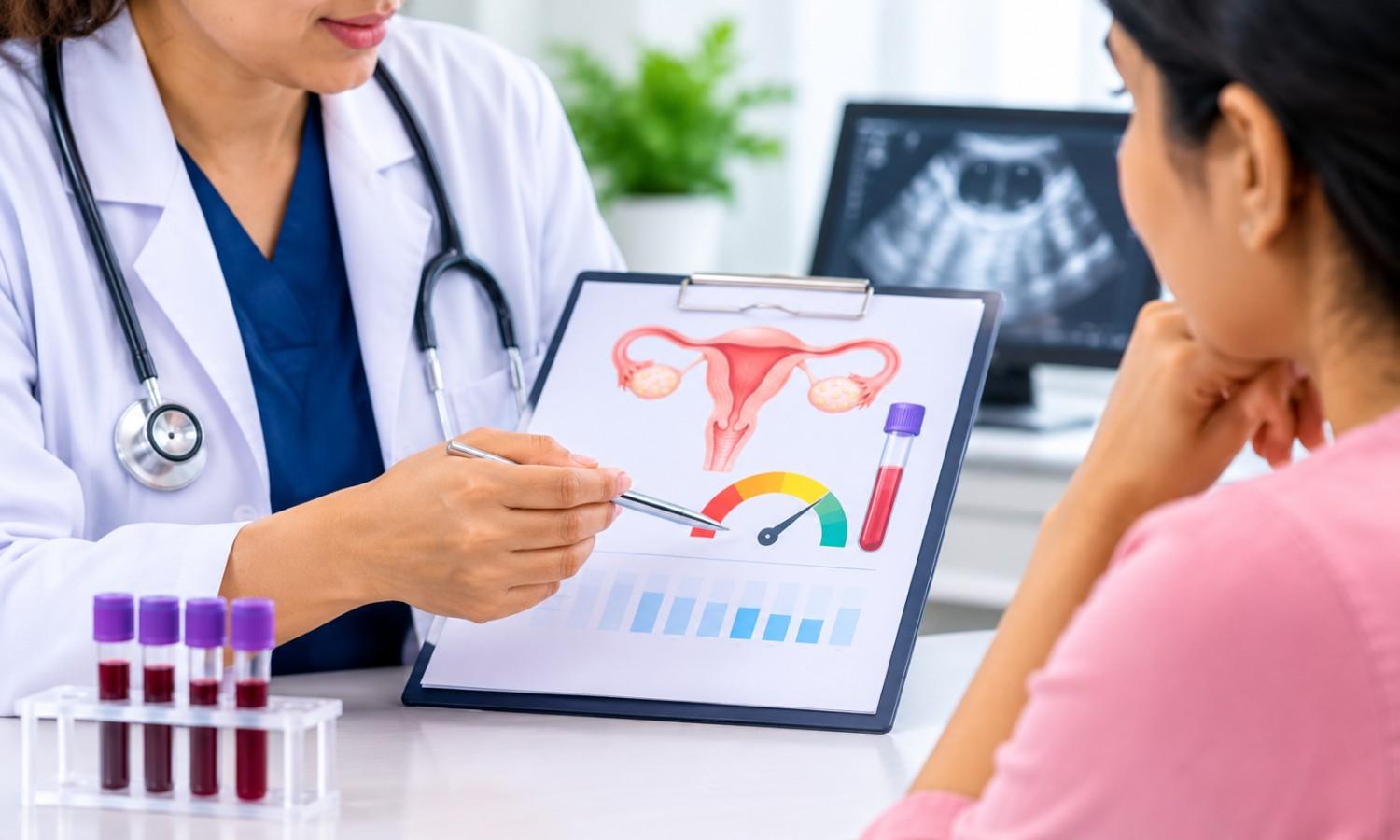
IVF Consultation and Ovarian Reserve Review

Low AMH and IVF: What to Expect

IVF is one of the most effective options for women with low AMH. It allows doctors to stimulate your ovaries, collect the eggs, fertilise them in the lab and transfer the best embryo into your uterus. But low AMH and IVF do come with a few special considerations.

You may produce fewer eggs in each cycle, which means fewer embryos to choose from. Because of this, some women need more than one IVF cycle to succeed. If you’re wondering how many IVF cycles you may need, it depends on several factors, including your age, egg quality and how your body responds to treatment. Your doctor may also suggest collecting and freezing eggs or embryos over two or more cycles before a transfer, a method often called embryo banking. This gives you more chances from your efforts.

The good news is that every egg counts. Even a small number of good-quality eggs can lead to a healthy pregnancy, especially for younger women.

Low AMH Fertility Treatment Options

There’s no one-size-fits-all approach. Low AMH fertility treatment is always planned around your age, your test results and your overall health. Depending on your situation, your doctor may suggest:

Personalised stimulation protocols

Adjusting the type and dose of fertility medicines to get the best response from your ovaries.

Mild or natural-cycle IVF

Using lower doses of medicine to collect a few good-quality eggs, which can be gentler on your body.

Embryo banking

Collecting and freezing embryos over several cycles to increase your chances.

ICSI

Injecting a single sperm directly into each egg to make the most of every egg collected.

Donor eggs

For some women, especially when very few eggs are left, using donor eggs can offer a much higher chance of success.

Lifestyle support

Eating well, staying active, managing stress and quitting smoking can support your overall reproductive health.

Other Fertility Tests That Matter

AMH is just one piece of the puzzle. To get a complete picture, your doctor will usually recommend a few other tests.

An antral follicle count (AFC) is done through a vaginal ultrasound to count the small follicles in your ovaries, and it works hand in hand with AMH. FSH and estradiol blood tests, usually done early in your cycle, give more information about how your ovaries are working. Thyroid and prolactin tests help rule out hormonal problems that can affect fertility.

Your doctor may also check your uterus and fallopian tubes with an ultrasound or a test called an HSG. And don’t forget your partner. A semen analysis is an important part of any fertility check-up, since male factors play a role in many couples’ fertility journeys.

Low AMH Doesn't Mean Losing Hope

A low AMH result can feel scary, but it’s only one part of your fertility story. It tells you about the number of eggs you have, not whether you can become a mother. With the right tests, timely advice and a treatment plan made just for you, many women with low AMH go on to have healthy pregnancies.

If you’re worried about low AMH and IVF, the most important step is to talk to an experienced fertility specialist early. At Credence, our fertility experts take the time to understand your reports, explain your options clearly and create a personalised treatment plan that gives you the best possible chance of success. Reach out to Credence today, and take the next step towards your dream of parenthood with care, support and confidence.